

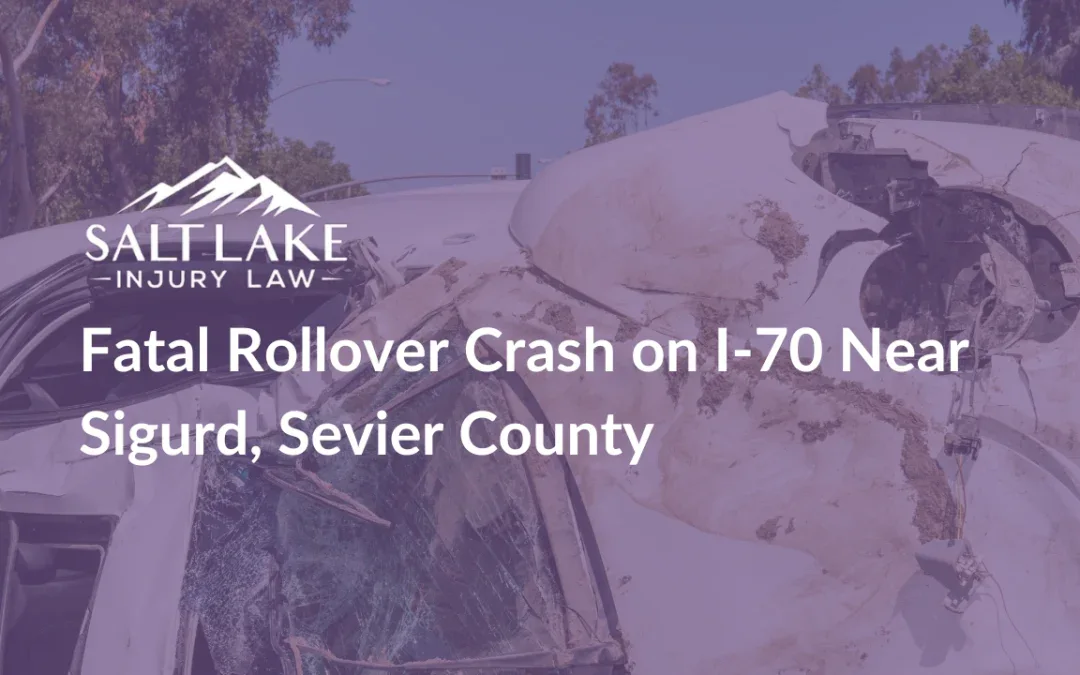
On the evening of April 9, 2025, a tragic single-vehicle rollover crash occurred on Interstate 70 (I-70) near milepost 45, close to Sigurd in Sevier County, Utah. A 61-year-old man was driving a 2003 Chevrolet Tahoe eastbound when, for reasons still under investigation, the vehicle veered off the roadway. The Tahoe continued along the shoulder before rolling multiple times, resulting in the driver being ejected from the vehicle. Emergency responders pronounced the man dead at the scene. The crash led to a temporary closure of eastbound I-70 as crews utilized a drone to assist in the investigation. The identity of the deceased has not been released pending notification of next of kin.
Such tragedies are sadly not uncommon in Utah, especially along rural stretches of highway where emergency response times may be longer and drivers may become fatigued or overconfident. Understanding the risks of rollover crashes and the importance of safety measures is essential in preventing future accidents.
Understanding Rollover Crashes
Rollover accidents, while less common than other types of vehicle collisions, are among the deadliest. According to the National Highway Traffic Safety Administration (NHTSA), rollovers account for nearly 35% of all passenger vehicle fatalities in the United States. Rollovers often involve a vehicle tipping onto its side or roof, usually at high speeds or after a sudden maneuver.
Common Causes of Rollover Accidents
- High-Speed Maneuvers: Attempting sharp turns at high speeds can destabilize a vehicle.
- Tripping Hazards: Vehicles can trip on curbs, guardrails, soft shoulders, or debris, causing a loss of balance.
- Overcorrection: Swerving suddenly to avoid an obstacle can cause drivers to lose control.
- Vehicle Design: Vehicles like SUVs, vans, and trucks with a higher center of gravity are more prone to rolling over.
- Road Surface Conditions: Icy or wet roads reduce traction and increase the risk of sliding or overturning.
- Driver Fatigue or Distraction: Tired or distracted drivers may drift off the road or fail to respond appropriately to road conditions.
Preventive Measures to Reduce Risk of Rollover Accidents
While no one can completely eliminate the risk of accidents, drivers can take numerous steps to minimize the chance of a rollover:
- Observe Speed Limits: Especially on curved roads or in poor conditions.
- Buckle Up: Seat belts significantly reduce the chance of fatal injuries during rollovers.
- Avoid Overloading: Follow your vehicle’s weight limits and distribute cargo evenly.
- Stay Focused: Avoid distractions such as texting or adjusting navigation systems while driving.
- Rest Regularly: Fatigue is a silent killer on long highway drives.
- Maintain Vehicle Health: Check tire pressure, suspension, brakes, and alignment routinely.
- Drive Defensively: Keep a safe distance from other vehicles, anticipate actions of others, and don’t swerve suddenly.
Legal Implications of Single-Vehicle Rollover Accidents
At first glance, single-vehicle crashes may appear straightforward, driver error is usually assumed. However, this assumption doesn’t always hold true. A thorough investigation can uncover a range of contributing factors and potentially liable parties:
Road Design or Maintenance Issues
Potholes, inadequate signage, and poor lighting can all contribute to crashes. In such cases, local or state government entities may share legal liability.
Mechanical Defects
If the vehicle was poorly manufactured or maintained, issues such as faulty tires, brakes, or steering components could be to blame. In these instances, a manufacturer, mechanic, or parts distributor might be liable.
Animal Crossings or Third-Party Influence
Sudden movements to avoid animals or other vehicles can lead to single-vehicle accidents. If another driver’s actions contributed to the crash, even without contact, there may be grounds for legal action.
Driver Health and Mental State
Medical episodes such as seizures or heart attacks may cause a driver to lose control. Moreover, mental health crises may also play a role in some crashes. Proper medical history and documentation are critical in such cases.
What To Do If You’re Involved in a Rollover Accident
Whether you’re the driver or a passenger, it’s crucial to follow these steps if a rollover occurs:
- Stay Calm and Check for Injuries: Prioritize safety and try to move yourself and others to a safe area if possible.
- Call Emergency Services: Report the accident and request medical help and police assistance.
- Preserve the Scene: Avoid moving the vehicle unless it’s necessary for safety. This helps investigators assess the cause.
- Document the Evidence: Take photographs of the scene, road conditions, damage, and injuries.
- Seek Immediate Medical Attention: Even if injuries aren’t apparent, always get a medical evaluation.
- File a Police Report: Obtain a copy for your records.
- Contact a Personal Injury Attorney: Especially in fatal or serious injury cases, legal consultation can protect your rights.
How Salt Lake Injury Law Can Help
At Salt Lake Injury Law, we recognize the pain and confusion that follow a serious accident. We offer the resources and experience necessary to navigate personal injury or wrongful death claims arising from rollover crashes.
Our Legal Services Include:
- Accident Reconstruction: Collaborating with experts to determine causation and liability.
- Insurance Disputes: Managing claims and negotiating for full compensation.
- Wrongful Death Representation: Supporting families in seeking justice and closure.
- Product Liability Litigation: Pursuing manufacturers for defective vehicles or parts.
- Free Consultations & Contingency Fees: We don’t get paid unless we win your case.
Whether you’re dealing with serious injuries or mourning a loved one, we stand ready to advocate for your rights.
Final Thoughts
The fatal crash on I-70 near Sigurd, Sevier County is a heart-wrenching reminder of the dangers Utah drivers face daily—especially on rural interstates. Rollover accidents, while relatively rare, are often catastrophic. Safe driving habits, regular vehicle maintenance, and awareness of weather conditions can save lives.
If you or someone you know has been injured or lost a loved one in a rollover crash, don’t navigate the aftermath alone. Salt Lake Injury Law offers the support, legal guidance, and advocacy needed to pursue justice and compensation.
📞 Call us today at (385) 444-7545 for a free consultation or visit our website at Salt Lake Injury Law to get the help you deserve.
Source: KMYU
Disclaimer:
This post is based on secondary sources and is intended solely for use by Salt Lake Injury Law PLLC. We have not independently verified the information from these sources. If you notice any inaccuracies, please contact us so we can make necessary corrections promptly.
At Salt Lake Injury Law, we aim to honor the victims of tragic accidents in Utah while educating the public on prevention and response strategies. This article is not intended as medical or legal advice. The images included are for illustrative purposes and do not depict the actual accident scene.